01
Inspection and Assessment
Thorough examination of fabric type, stains, and existing condition before any cleaning.
Sofa Revive specialises in deep cleaning soft furnishings – from sofas and armchairs to dining chairs. Our systematic process involves a thorough inspection, application of professional-grade cleaning agents, and powerful extraction to address trapped dirt, stubborn stains, and lingering odours.
Book an Inspection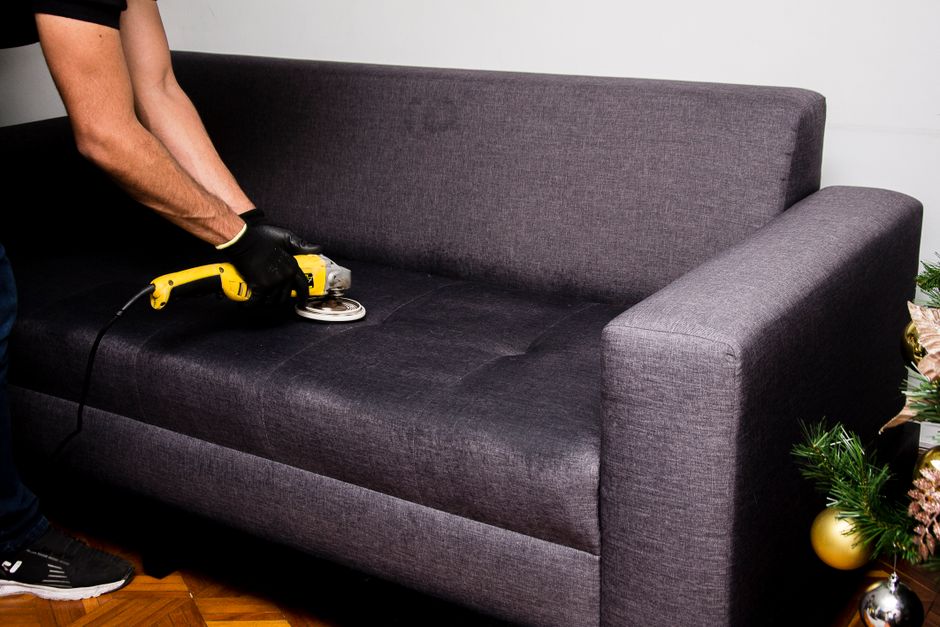
The approach taken by Sofa Revive begins with a detailed assessment of each piece of furniture. This initial inspection helps identify the type of fabric, the nature of stains, and any pre-existing conditions. Following this, a specialised cleaning solution is selected based on the fabric's requirements. The solution is applied evenly and allowed to dwell for a period to break down soiling. The final step involves extraction using a high-powered machine that removes both the solution and the dislodged dirt. This method is designed to minimise residue and to be thorough, though outcomes can vary depending on the specific circumstances of each piece.
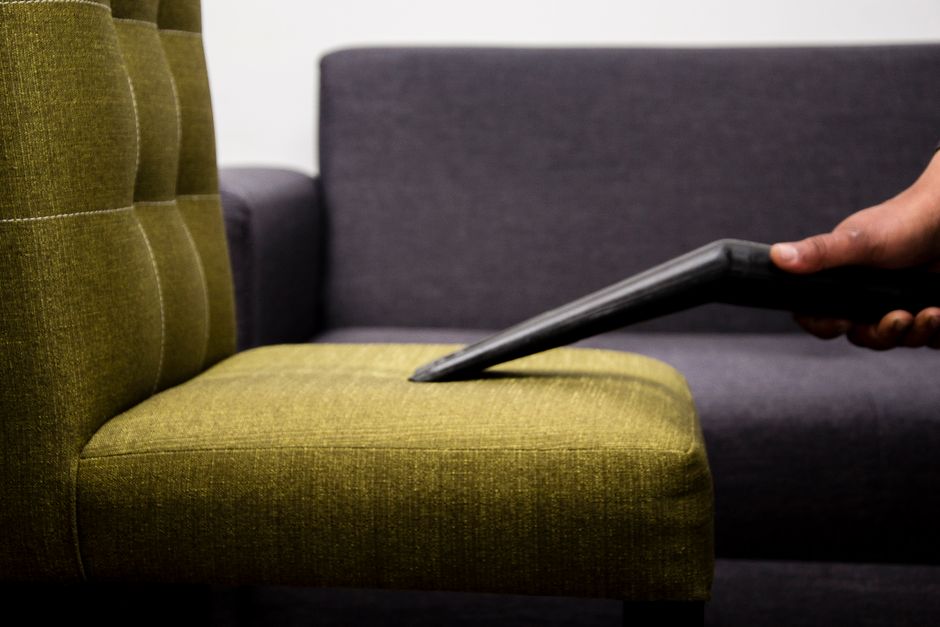
Sofa Revive is a UK-based service focusing exclusively on the cleaning of upholstered furniture. Our team follows a structured procedure that includes pre-cleaning inspection, targeted application of cleaning agents, and mechanical extraction. We work with a range of fabric types and aim to address common issues such as accidental spills, pet odours, and general soiling. Our process is transparent and we explain each stage to the client beforehand. The equipment used is designed for residential environments.
Thorough examination of fabric type, stains, and existing condition before any cleaning.
Professional-grade cleaning agents applied evenly and allowed to dwell for effective soil breakdown.
Gentle agitation with specialised tools to lift embedded dirt without damaging fibres.
Powerful vacuum extraction removes solution and dislodged particles, leaving upholstery refreshed.
The team from Sofa Revive handled our old sofa with care. The inspection was thorough and the process explained clearly.
After the cleaning, the fabric felt much cleaner. The odour that had been present was noticeably reduced.
We appreciated the transparent approach. The extraction process seemed very effective at removing dust and stains.
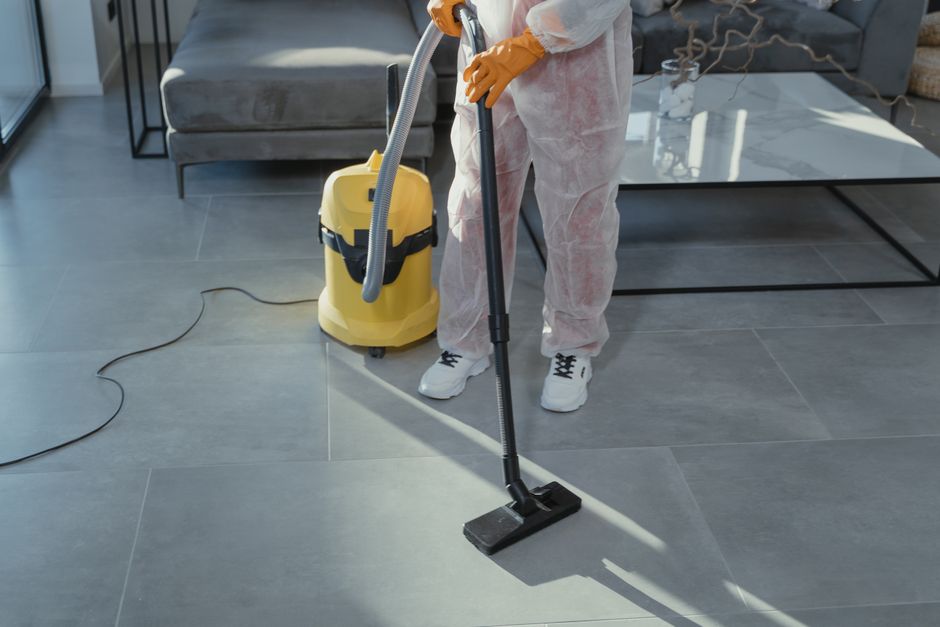
Professional upholstery cleaning employs equipment and solutions that differ from consumer products. Sofa Revive uses extraction machines that draw out moisture and dirt, which reduces drying time and minimises the risk of residue build-up. The selection of cleaning agents is based on fabric composition, aiming to preserve the material's integrity. Regular professional cleaning can contribute to the longevity of furniture, although many factors influence it. Our approach is methodical and adapted to each item.
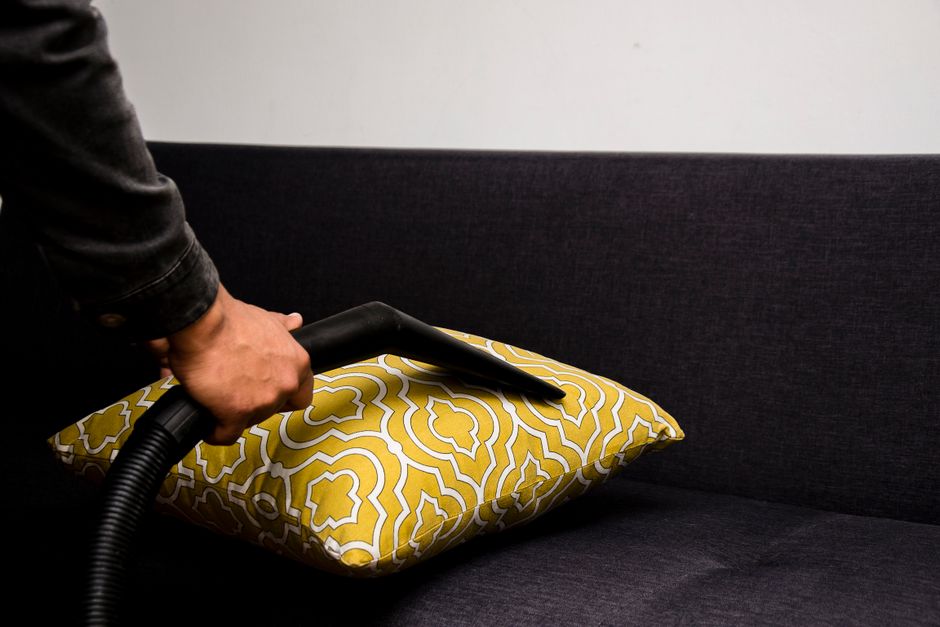
Sofa Revive selects cleaning solutions based on the specific requirements of each fabric. Different stain types and odour sources may respond differently to various chemical compositions. The application method – whether spray, foam, or steam – is chosen to match the material. The dwell time and temperature are monitored to optimise the cleaning effect while protecting the upholstery. This contextual approach forms the basis of our service.
Cleaning agents chosen according to fabric type and stain nature.
Pre-cleaning assessment to identify areas requiring attention.
High-powered vacuum removal of moisture and dirt.
Techniques aimed at preserving material texture and colour.
At Sofa Revive, we believe in clear communication throughout the cleaning process. Before any work begins, we explain the steps, the products used, and the expected timeline. We also highlight any areas of concern that may affect the outcome. This allows the client to make informed decisions. Our service is not about promises but about providing a systematic approach to upholstery care. Each project is documented, and feedback is welcomed to refine our methods.
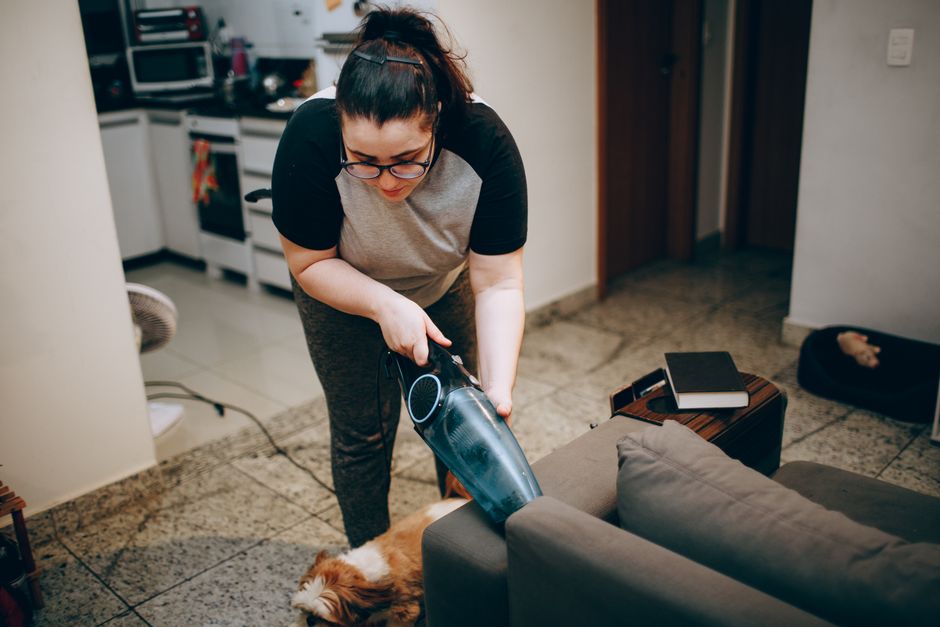
After cleaning, drying time depends on factors such as fabric thickness, ambient humidity, and ventilation. Sofa Revive uses extraction to remove as much moisture as possible. Typically, upholstery dries within a few hours to a full day. Using fans or opening windows can support the drying process. This phase is important for preventing mould or mildew growth.
Allow furniture to air dry completely before use to avoid re-soiling.
Gently brush the fabric while damp to restore the pile.
Address any new spills immediately with a clean cloth.
Regular professional cleaning may be considered based on usage.
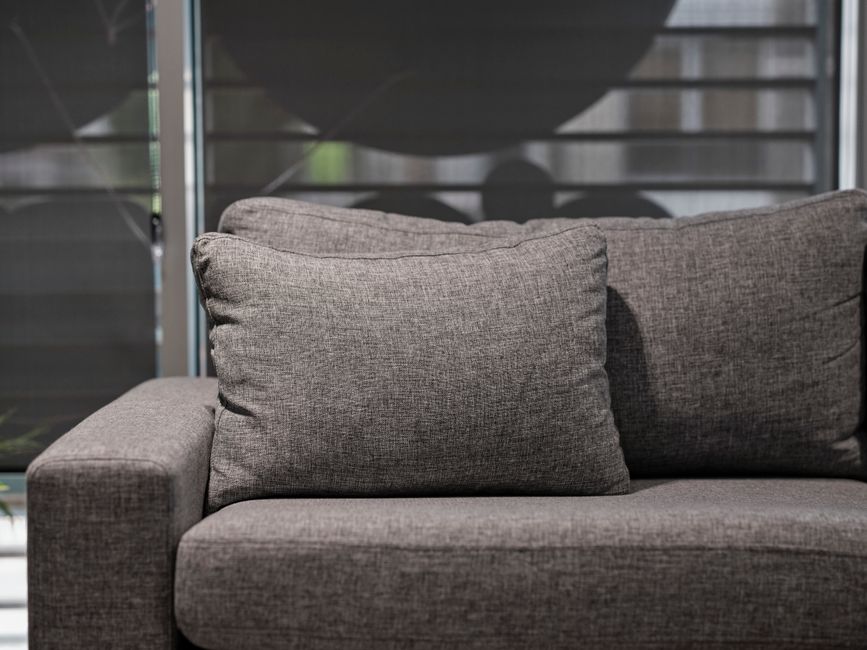
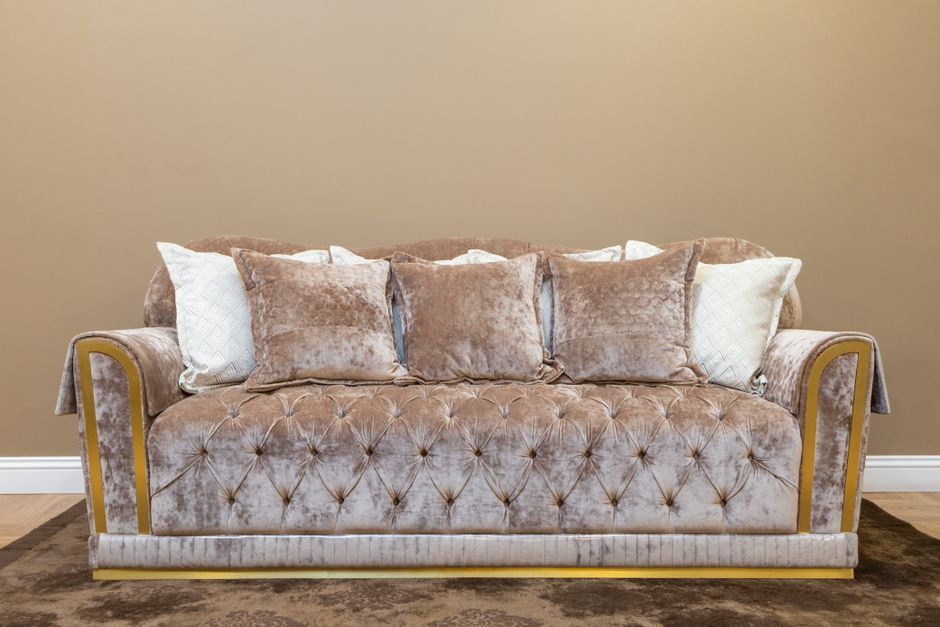
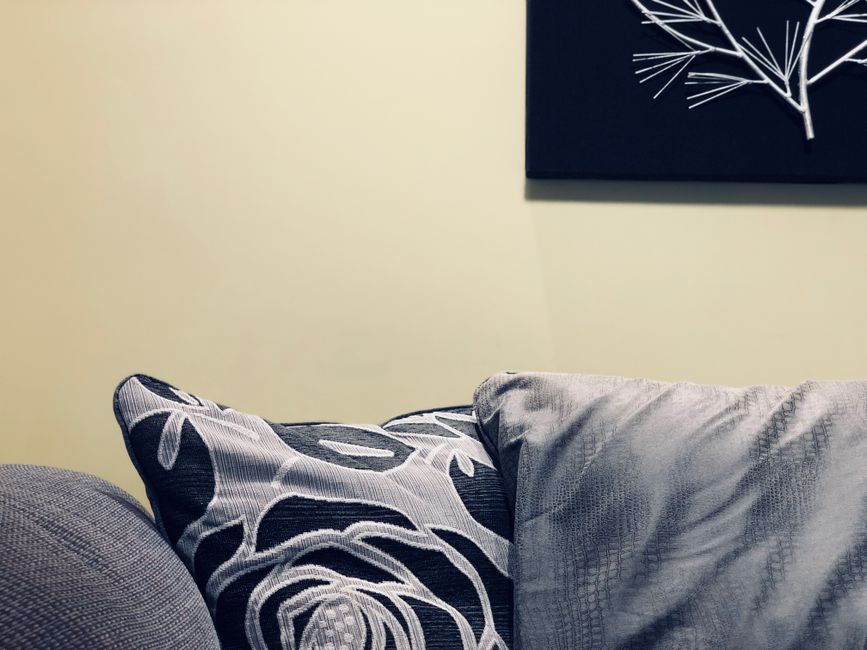
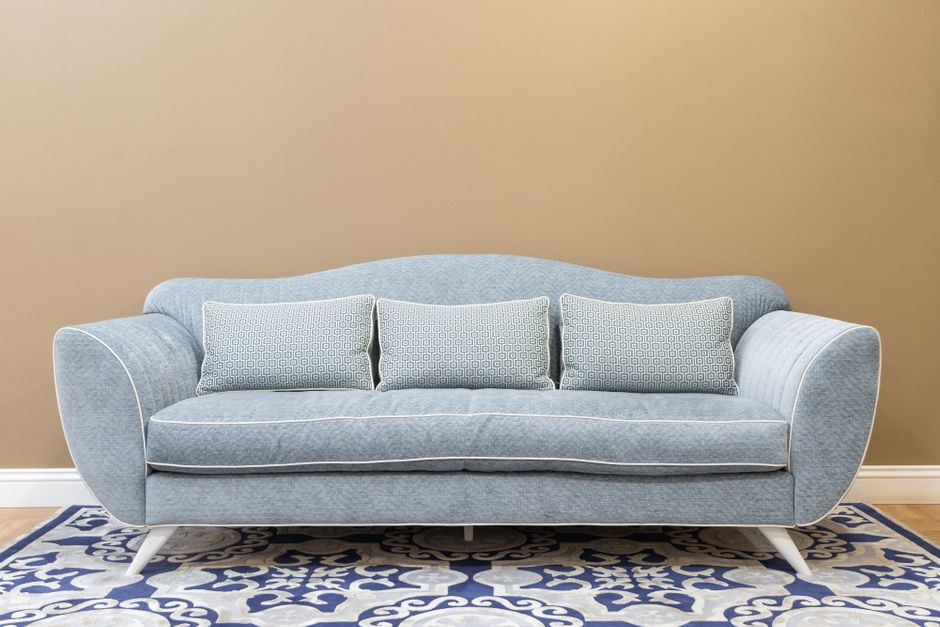
A selection of images showing pieces of upholstery before and after the Sofa Revive cleaning process. These examples illustrate the range of fabrics and conditions we encounter.
Sofa Revive is mindful of the environmental impact of cleaning. We use solutions that are biodegradable where possible and aim to minimise water usage. The extraction process reduces the amount of chemical residue left in the fabric. Our equipment is maintained to operate efficiently. While we cannot control all variables, we strive to balance effectiveness with responsible practices. Clients interested in eco-friendly options can inquire about our available products.
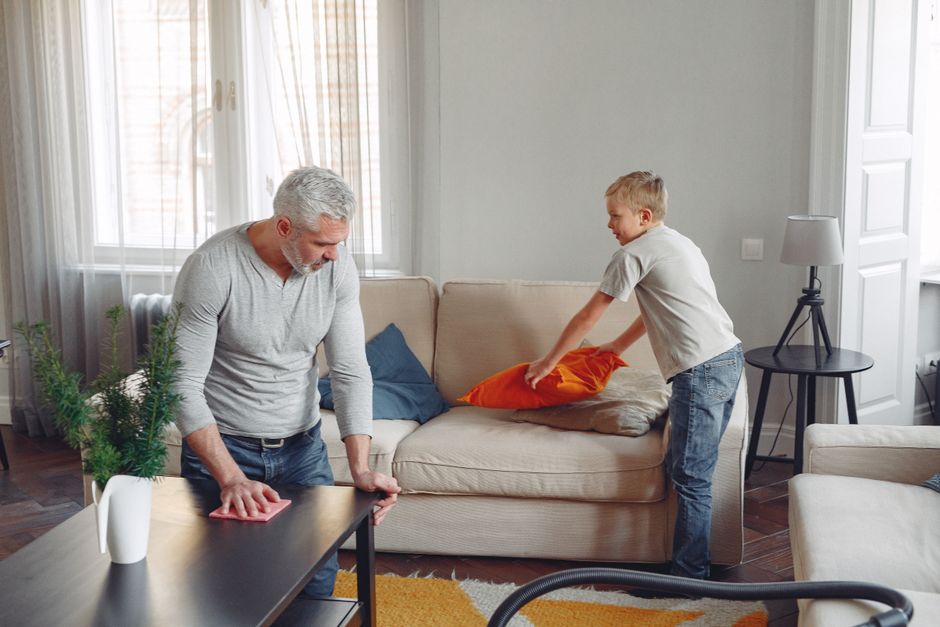
There are several methods for cleaning upholstery, including dry cleaning, steam cleaning, and hot water extraction. Each has distinct characteristics. Dry cleaning uses solvents and minimal moisture, suitable for delicate fabrics. Steam cleaning relies on heat and low moisture. Hot water extraction, which Sofa Revive primarily employs, combines the application of a cleaning solution with high-pressure water injection and vacuum removal. The choice of method depends on factors such as fabric type, soiling level, and manufacturer guidelines. No single approach is universally superior; each offers advantages in certain contexts. Our technicians select the technique after assessing the specific piece.
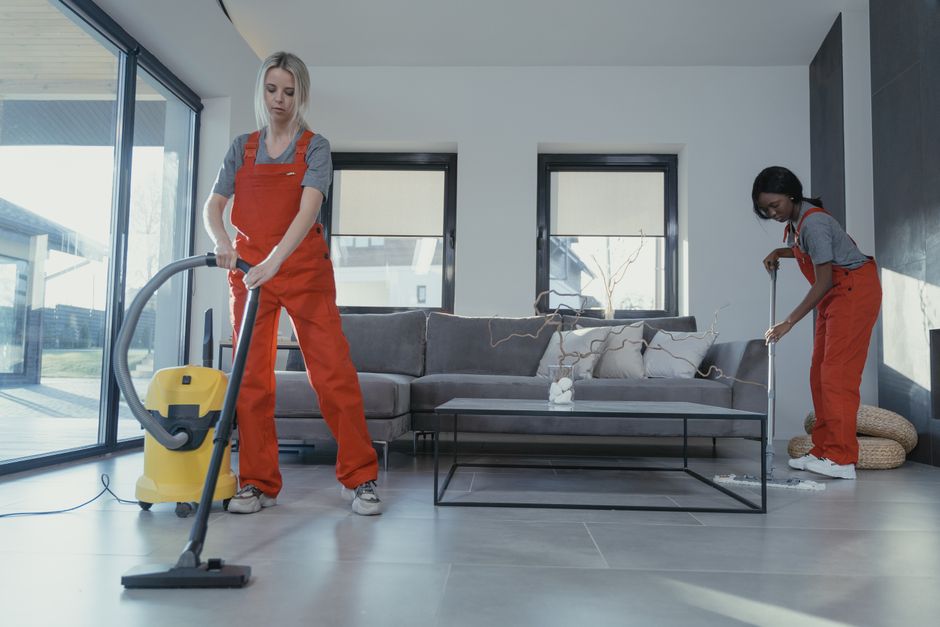
Detailed check of furniture condition before cleaning begins.
Cleaning agents matched to stain and fabric.
High-power vacuum to reduce drying time.
Advice on maintaining your upholstery between cleanings.
Fill in the form below to request a consultation or ask any questions about Sofa Revive's upholstery cleaning services.